Exit West: A Cultural Confluence
Portfolio is empty Upload Images

TRADITION ANd change
• • •
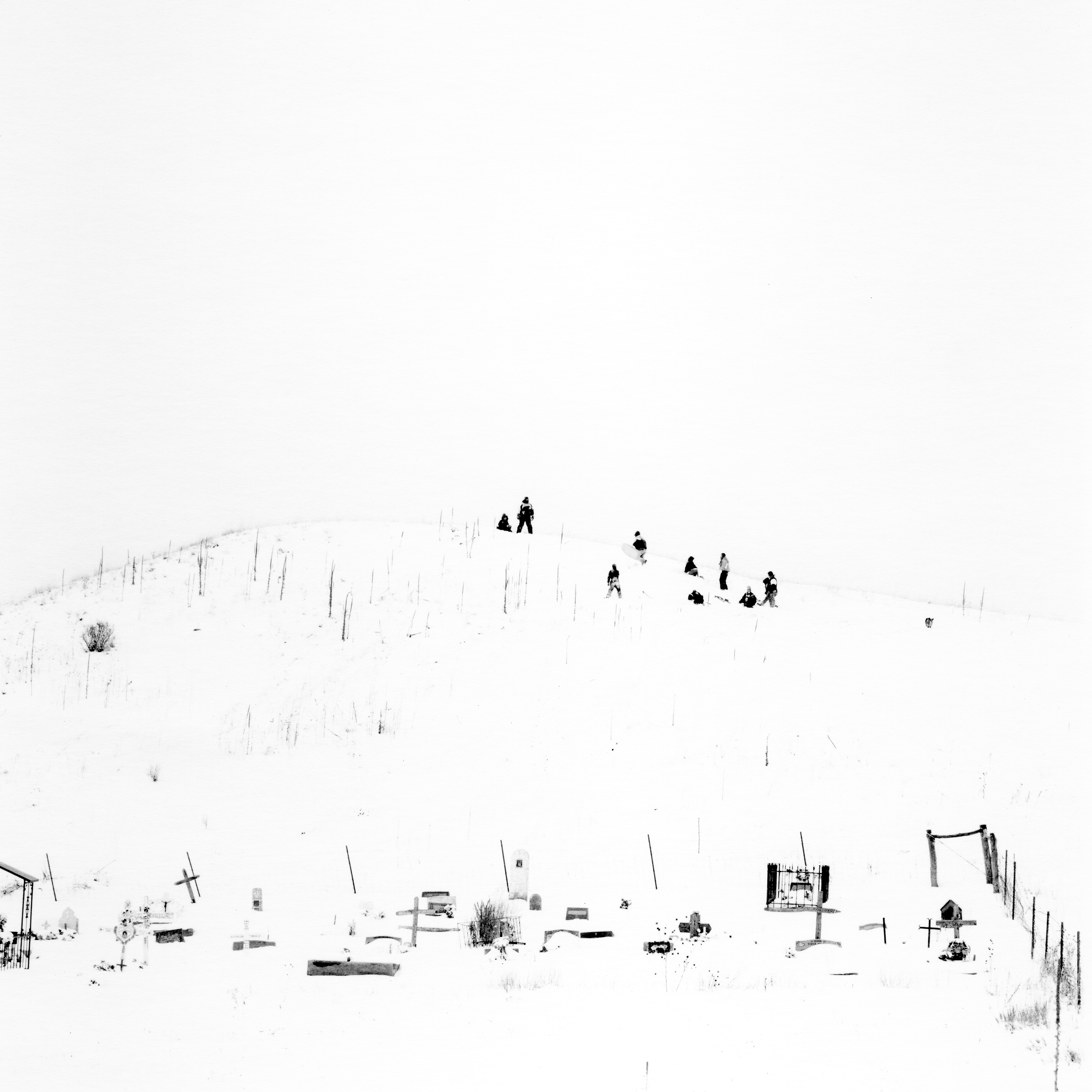
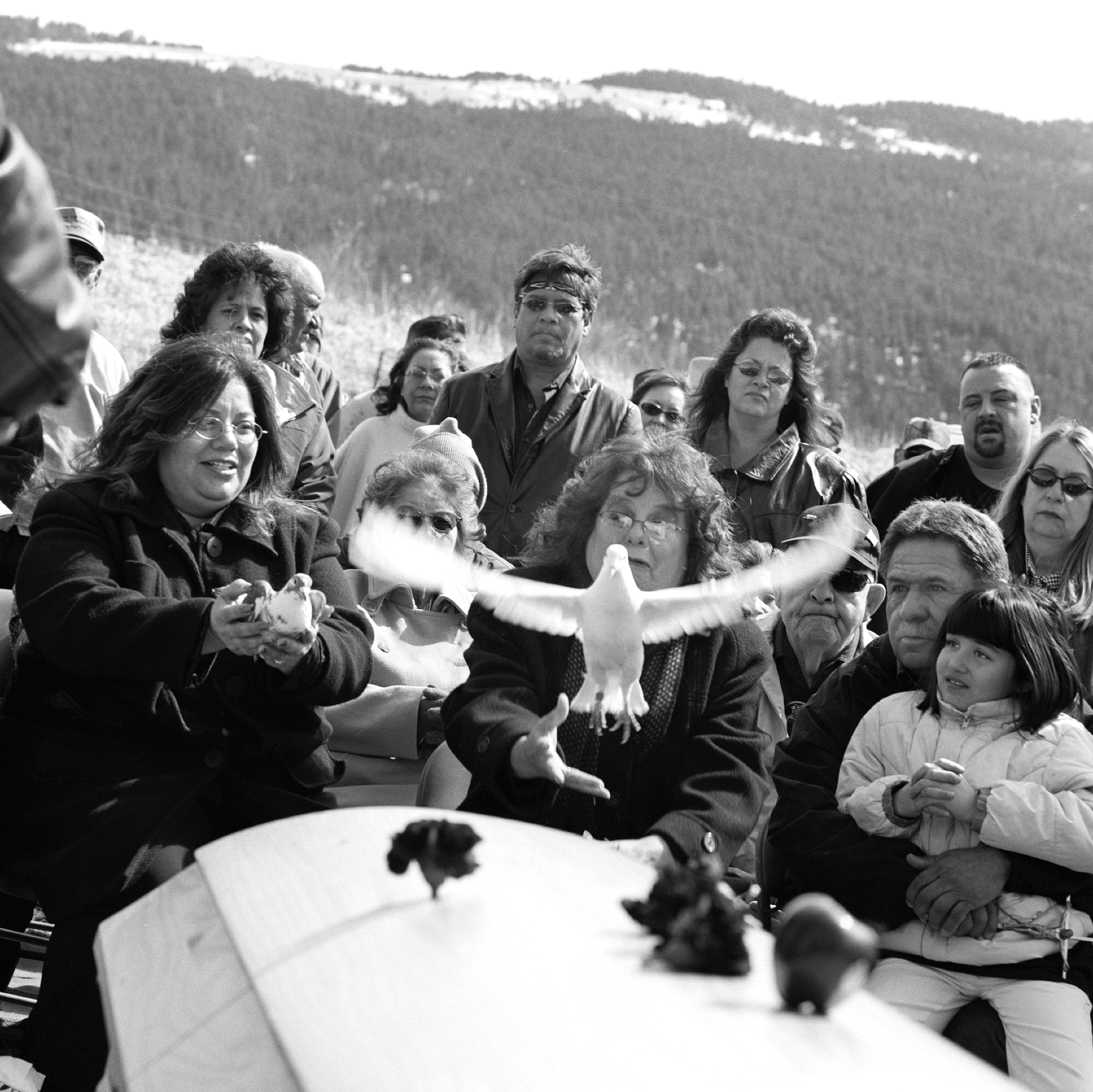
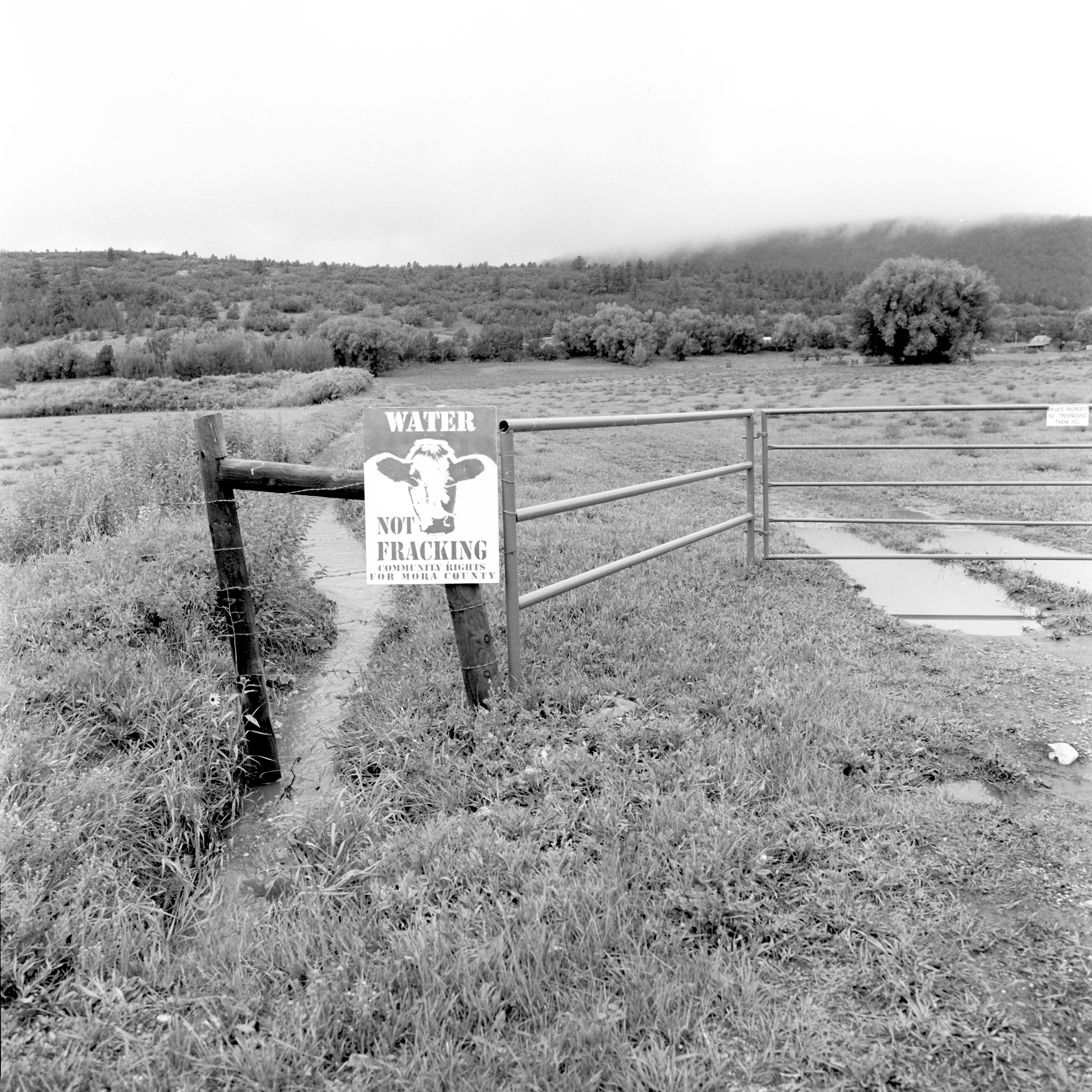
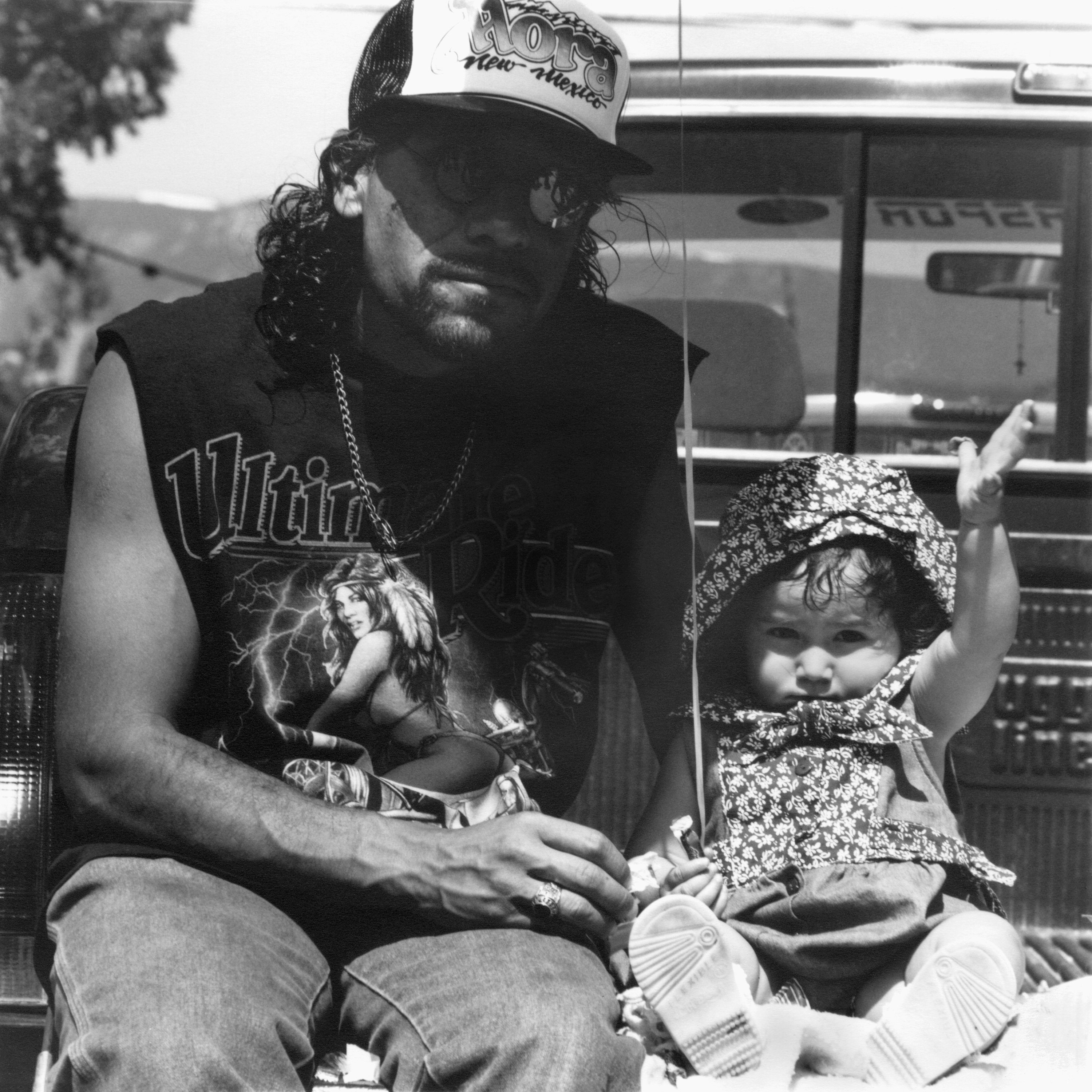
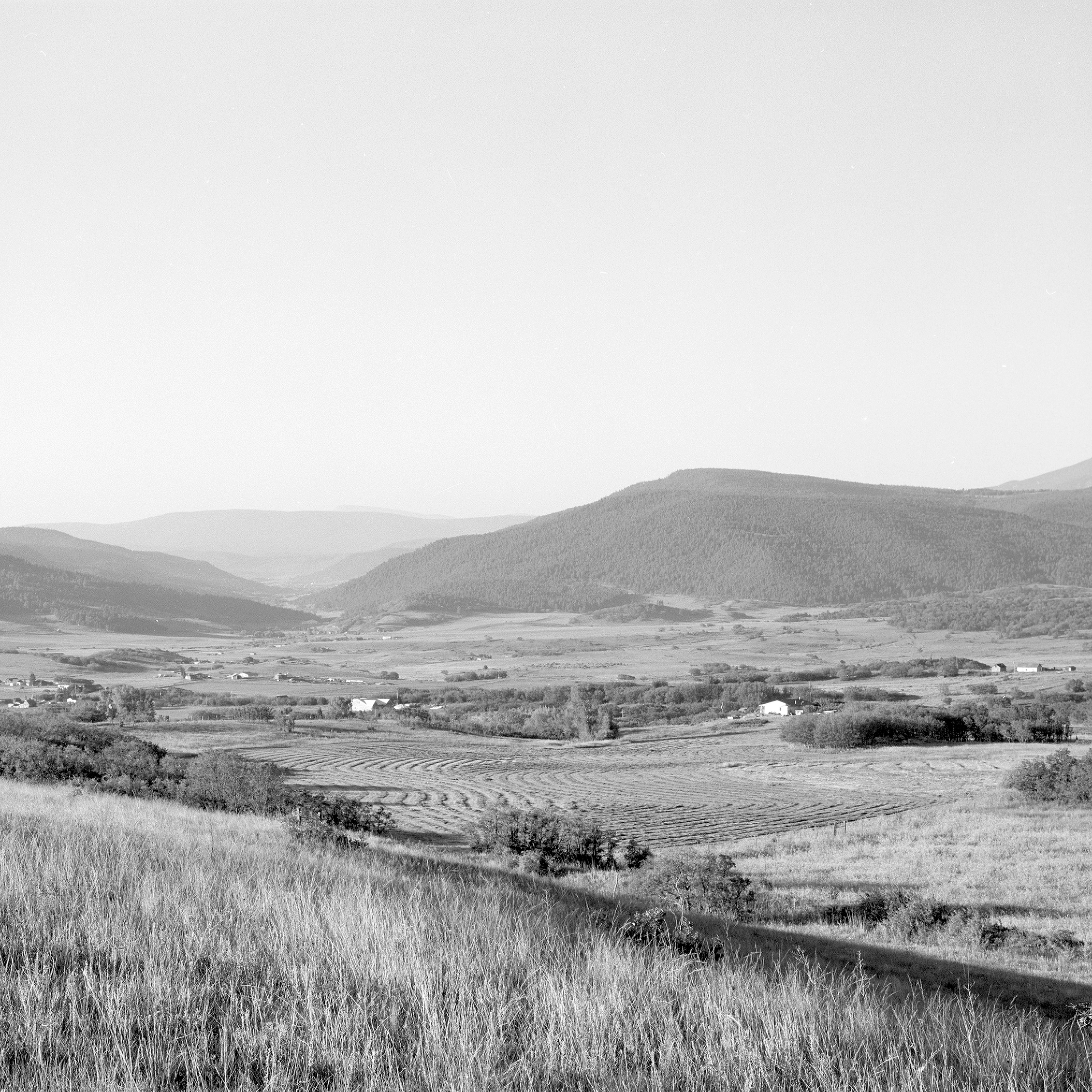
THE INHERENT IMMIGRANT NATURE OF NORTH AMERICANS has evinced itself once again in a revived population shift to the American West. In 1994 by relocating to the convergence of the Sangre de Cristo Mountains and the Great Plains in Northern New Mexico, I became one of those immigrants. As a cultural chronicler with companion cameras, my years living in the Mora Valley have been spent observing, as well as being observed.
The profiles of Indigenous, Mexican, and European bloodlines can be discerned in the faces of my neighbors, twelfth-generation descendants of this mix with Spanish conquerors for the cross and crown, some yet speaking in sixteenth-century Andalusian and Nahuatl idioms. Residents have been reluctant to embrace those from the “outside” and remain grounded by their faith in traditions, family, community, the church, and the land’s fecundity. With that is a depth of cultural wealth here that no outsider can easily grasp.

Christmas Day, Chacón